
Lower Back Pain Relief Exercises: 10 Best Stretches & Strength Moves
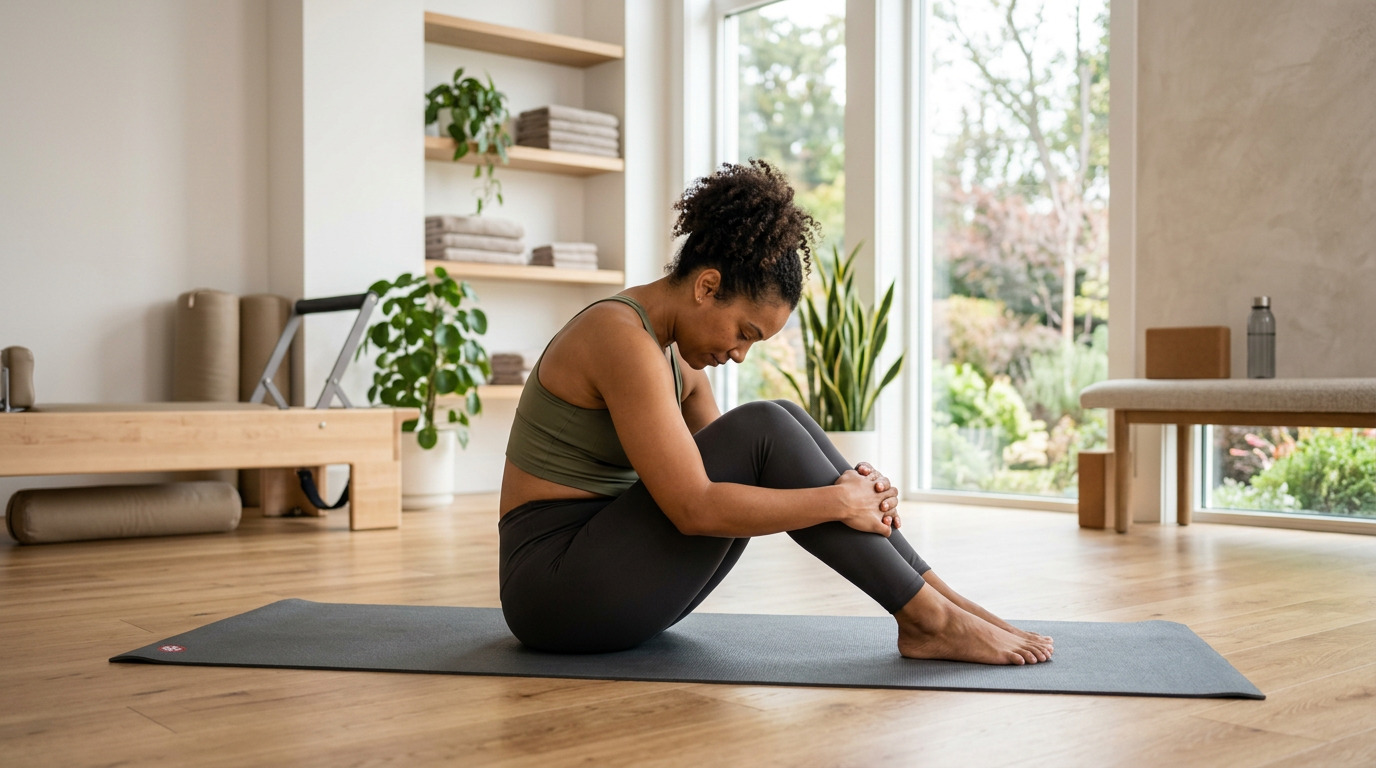
Lower back pain relief exercises help reduce discomfort by improving flexibility and strengthening the muscles that support your spine—especially your core and glutes. When done consistently, these movements can relieve tension, improve posture, and reduce the risk of recurring strain.
Whether you work at a desk, stand all day, or are recovering from a mild strain, these simple lower back stretches and strengthening exercises can be done at home or work with minimal space.
Key Takeaways
- The best lower back pain relief routines combine gentle mobility work with core and glute strengthening.
- Exercises such as cat-cow, knee-to-chest, bird dog, glute bridges, and dead bug help support spinal stability.
- Consistency matters more than intensity—start with 5–10 minutes, 3–4 times per week.
- Stop any exercise that causes sharp, worsening, or radiating pain and seek professional guidance.
Safety note: These exercises are general wellness suggestions and are not a substitute for individualized medical care. If your pain is severe, worsening, injury-related, or radiating down your leg, consult a qualified healthcare professional before continuing.
Schedule a lower back pain consultationWhat Causes Lower Back Pain?
Lower back pain is often caused by a combination of lifestyle habits, movement patterns, and muscle imbalances, including:
- Sitting for long periods
- Poor posture, especially at a desk or from phone use
- Weak core and glute muscles
- Tight hamstrings and hip flexors
- Repetitive strain or improper lifting
- Limited hip mobility or reduced spinal mobility
When these issues go unaddressed, they can place excess stress on the lumbar spine, leading to stiffness, inflammation, and pain. A targeted plan that includes movement, strengthening, and professional care can help address the root cause—not just the symptoms.
For additional care options, explore our Los Angeles chiropractic care, sciatica treatment, and posture correction program.
Best Lower Back Pain Relief Exercises
These 10 lower back exercises combine gentle stretching with strengthening movements to support long-term spine health. Move slowly, breathe naturally, and avoid forcing any position.
1. Knee-to-Chest Stretch
- Lie on your back with knees bent.
- Pull one or both knees toward your chest.
- Hold for 20–30 seconds.
- Repeat 2–3 times.
Best for: Morning stiffness and lower back tension. Benefit: Relieves tension in the lower back and hips.
2. Cat-Cow Stretch
- Start on your hands and knees.
- Arch your back upward, then slowly drop your belly.
- Move slowly with your breath for 30–60 seconds.
Best for: Spinal stiffness. Benefit: Improves spinal mobility and helps reduce tightness after sitting.
3. Child’s Pose
- Sit back toward your heels with arms extended forward.
- Rest your forehead toward the floor or on a cushion.
- Hold for 20–30 seconds.
Best for: Gentle decompression. Benefit: Stretches the lower back, hips, and upper back.
4. Glute Bridge
- Lie on your back with knees bent and feet flat.
- Engage your core and lift your hips.
- Hold for 3–5 seconds, then lower with control.
- Repeat 8–12 times.
Best for: Weak glutes and prolonged sitting. Benefit: Strengthens the glutes to better support the lumbar spine.
5. Bird Dog
- Start on your hands and knees.
- Extend your opposite arm and leg.
- Keep your hips stable and your back long.
- Hold briefly, then switch sides.
Best for: Core stability and balance. Benefit: Trains controlled spinal support without heavy loading.
6. Pelvic Tilt
- Lie on your back with knees bent.
- Gently flatten your lower back into the floor.
- Hold for a few seconds, then release.
- Repeat 8–12 times.
Best for: Reconnecting with deep core muscles. Benefit: Activates the muscles that help stabilize the pelvis and lower back.
7. Seated Spinal Twist
- Sit upright in a chair with both feet on the floor.
- Gently twist your torso to one side.
- Hold for 15–20 seconds, then switch sides.
Best for: Desk workers. Benefit: Improves spinal flexibility and gives your back a quick movement break.
8. Standing Hamstring Stretch
- Place one foot slightly forward.
- Hinge at your hips while keeping your back straight.
- Hold for 20–30 seconds on each side.
Best for: Tight hamstrings. Benefit: Reduces tension that can pull on the pelvis and contribute to lower back strain.
9. Hip Flexor Stretch
- Start in a half-kneeling position with one foot forward.
- Gently shift your hips forward while keeping your torso tall.
- Hold for 20–30 seconds on each side.
Best for: People who sit for long periods. Benefit: Opens the front of the hips, which can reduce stress on the lower back.
10. Dead Bug
- Lie on your back with arms reaching upward and knees bent over your hips.
- Slowly lower one arm and the opposite leg while keeping your lower back steady.
- Return to the starting position and switch sides.
- Repeat 6–10 times per side.
Best for: Deep core strength. Benefit: Builds core control that helps protect the lower back during daily movement.
Quick Daily Routine: 5–10 Minutes
If you’re short on time, follow this simple routine. Keep the movements gentle and stop if symptoms increase.
5-Minute Routine
- Cat-Cow: 1 minute
- Knee-to-Chest: 1 minute each side
- Child’s Pose: 1 minute
- Glute Bridges: 1 minute
10-Minute Routine
- Add Bird Dog, Hip Flexor Stretch, and Dead Bug.
- Repeat each movement twice as tolerated.
Consistency matters more than intensity—aim for at least 3–4 times per week.
When to See a Professional
While these exercises help many people, you should seek professional care if you experience:
- Pain lasting longer than 2 weeks
- Sharp or worsening pain
- Pain radiating down the leg, also known as sciatica
- Numbness, weakness, or tingling
- Injury-related discomfort
If you’re in the Los Angeles area, a personalized assessment can identify the root cause of your pain and create a targeted recovery plan. Learn more about sciatica treatment in Los Angeles if your pain travels down the leg.
Frequently Asked Questions
What is the best exercise for lower back pain?
The best exercise depends on the cause of your pain, but glute bridges, bird dogs, dead bugs, cat-cow, and knee-to-chest stretches are commonly helpful because they improve mobility and strengthen the muscles that stabilize the spine.
How often should I do lower back pain relief exercises?
For general stiffness or prevention, 3–4 times per week is a good starting point. A short daily routine may also help if the exercises feel comfortable and do not increase symptoms.
Can I do these exercises at work?
Yes. Seated spinal twists, gentle posture resets, and standing hamstring stretches can be done during work breaks. For floor-based exercises, use a mat at home or in a private space.
Will exercise completely eliminate back pain?
Exercise can significantly reduce pain and help prevent recurrence, but chronic or recurring issues may require professional evaluation, movement therapy, chiropractic care, or Pilates-based rehabilitation.
Which lower back exercises should I avoid?
Avoid any exercise that causes sharp pain, worsening symptoms, numbness, tingling, or pain that radiates down the leg. If you are unsure, get assessed before continuing.
Get Expert Help for Back Pain in Los Angeles
If you’re not seeing improvement or want faster results, a customized plan can make all the difference.
At Live Well LA, we combine chiropractic care, movement therapy, and Pilates-based rehabilitation to address the root cause of pain—not just the symptoms.
Book a lower back pain consultation with Live Well LAAbout the Author
This content is reviewed by a licensed movement specialist at Live Well LA, combining clinical expertise with real-world patient care experience in chiropractic and Pilates-based rehabilitation.
References
Originally published: July 27, 2026 · Updated: July 27, 2026
← Back to all articles