
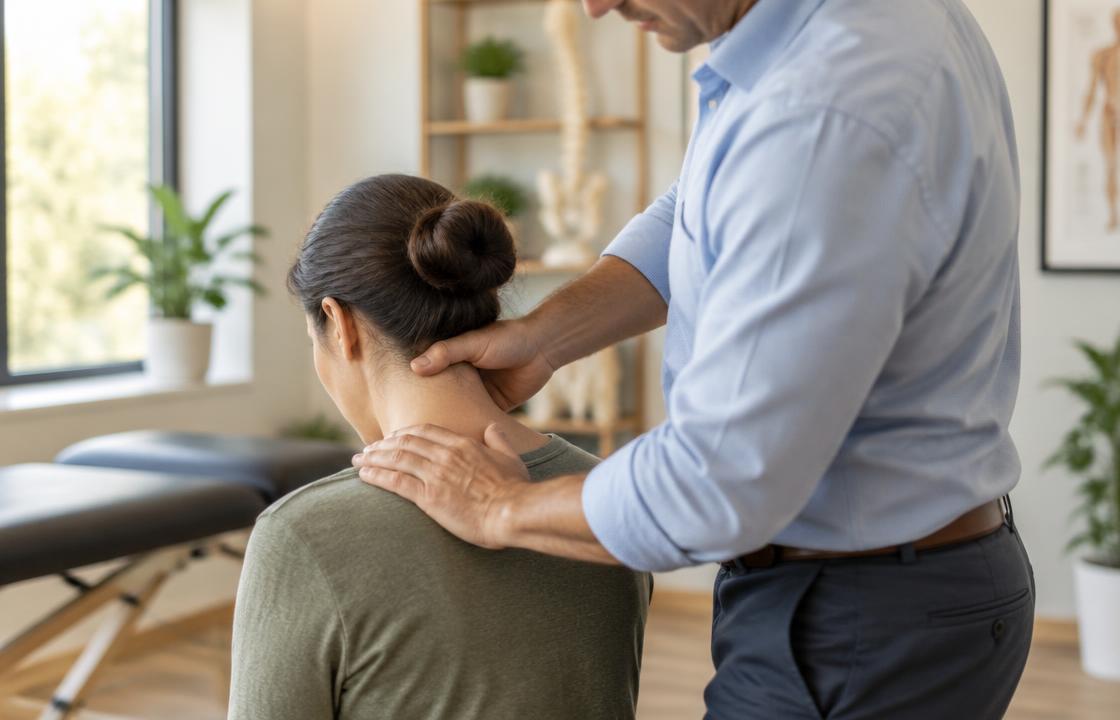
Chiropractor for Headaches and Migraines in Los Angeles
Quick answer: If your headaches come with a stiff neck, tight shoulders or long hours at a desk, a chiropractic examination and soft tissue massage may be worth considering. Chiropractic care is not a migraine cure, and some headaches need a medical doctor first. At Live Well Chiropractic and Pilates Center in Mid-City Los Angeles, Dr. Matthew Gloin, D.C. starts with an exam, explains what he finds, and refers you when another provider is a better fit.
Same-day appointments may be available. Use the call, chiropractic or massage buttons at the top or bottom of this article.
Get emergency care first if you have a sudden, severe headache, a headache after a head injury, or a headache with weakness, numbness, confusion, trouble speaking, a seizure, vision loss, fever with a stiff neck, or repeated vomiting. Call 911 or go to an emergency room. See the NHS headache warning signs (opens in a new tab).
Which type of headache do you have?
The right care depends on the type of headache. A careful history and exam help sort out the likely cause.
- Tension-type headache: a pressing or tight band, often on both sides of the head. Stress, poor sleep and sustained posture can play a part.
- Cervicogenic headache: head pain referred from a problem in the neck. It often starts at the base of the skull and may change with neck movement. Having neck pain alongside a headache does not by itself mean the headache comes from the neck.
- Migraine: a neurological condition that can cause moderate to severe throbbing pain, nausea, and sensitivity to light or sound. Some people also notice an aura.
Learn more from the National Institute of Neurological Disorders and Stroke (opens in a new tab) and the American Migraine Foundation's guide to cervicogenic headache (opens in a new tab).
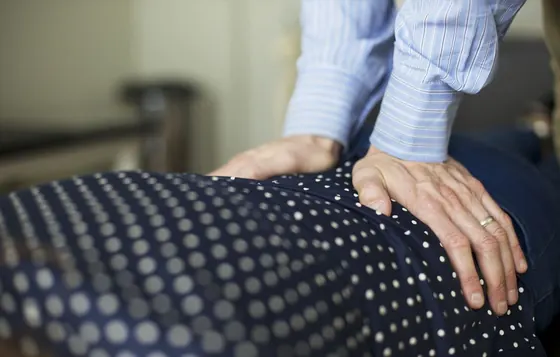
How chiropractic care may help headaches
Your first chiropractic care visit includes a health history and a focused exam of your neck, upper back, posture and movement. If chiropractic care fits, Dr. Gloin, D.C. may recommend:
- Gentle joint adjustments, including low-force Activator methods for patients who prefer them
- Posture and desk-setup advice for long workdays
- Simple neck and upper-back stretches to do at home
- Advice on relaxation, sleep habits and nutrition based on your headache history
- Referral to a medical doctor or specialist when symptoms point elsewhere
Other options: cold packs, rest and everyday headache habits
Chiropractic care can include advice for managing symptoms between visits, not just adjustments. The right approach depends on your headache type and health history. For migraine comfort, Mayo Clinic recommends a calm environment, rest when possible, and hot or cold packs (opens in a new tab).
- Ice or a cold pack: a cool compress may offer temporary comfort. Wrap a cold pack in a towel rather than placing ice directly on your skin; remove it if it feels painful or causes numbness. Ask your clinician whether cold or warmth is more suitable for you.
- Rest: take a break in a quiet, dim room if light or sound worsens your headache, and keep a regular sleep routine. Rest is a comfort measure, not a substitute for getting new or worsening symptoms checked.
The American Chiropractic Association's headache guidance (opens in a new tab) also recommends the following habits. These are separate from the cold-pack and rest suggestions above:
- Movement and stretching breaks: when working at a desk or staying in one position, take a break every 30 minutes to one hour. Move your head and neck only through a comfortable range; do not force a stretch.
- Low-impact activity: walking or other gentle exercise may help some primary headaches. Avoid heavy exercise if it brings on or worsens a throbbing headache.
- Less jaw tension: avoid clenching your teeth. Tell your chiropractor or dentist if jaw discomfort or grinding accompanies your headaches.
- Hydration: drink water regularly to help avoid dehydration. Follow your medical doctor's advice if you have a condition that limits how much fluid you should drink.
- Posture, nutrition and relaxation: ask about desk ergonomics, appropriate exercises, dietary habits and relaxation techniques. Discuss supplements with your healthcare provider rather than starting them on your own.
What the research says: The National Center for Complementary and Integrative Health (opens in a new tab) reports that evidence on spinal manipulation for headaches is too limited or inconsistent for firm conclusions. The American Migraine Foundation (opens in a new tab) notes that strong evidence for migraine is lacking and that neck manipulation carries rare but serious risks. That is why we examine first and talk through benefits and risks before treatment.
If your headaches started after a car crash, read our step-by-step car accident guide or visit our auto accident injury care page. For ongoing neck tension, see neck pain relief in Los Angeles and our posture correction program.
How soft tissue massage may help
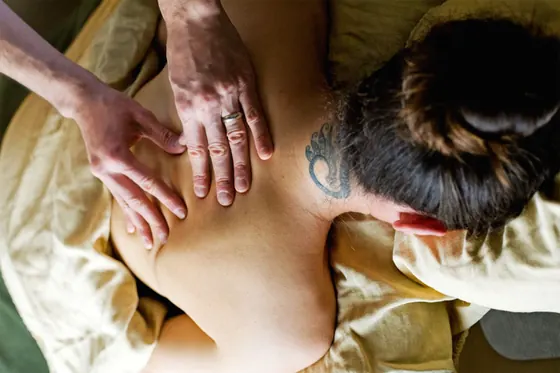
Many headache patients carry tension in the neck, shoulders, jaw and scalp. Our soft tissue corrective therapy and massage sessions target those areas with pressure matched to your comfort. Sessions run from 30 to 115 minutes, and assisted stretching is also available.
Research on massage for headaches is still limited, so we present it honestly: a comfort and mobility option many patients enjoy, not a guaranteed cure. You can meet our soft tissue therapists before booking. For home care between visits, try our trigger point self-massage guide and self-massage with a ball.
Acupuncture as an added option
Some patients also choose acupuncture in Los Angeles. NCCIH says acupuncture may help some people with headaches, though part of the benefit may come from factors other than needle placement. You can meet our licensed acupuncturists and book directly with them.
Try these first at home
- Keep a headache diary: time, sleep, meals, caffeine, screen time and stress.
- Drink water regularly and avoid skipping meals.
- Raise your screen to eye level and take short movement breaks.
- Follow our stretching and education videos.
- Talk with your medical doctor about medicines, including if you use pain relievers often.
What happens at your first visit
- Book: call or book online.
- Exam: we review your headache history, warning signs, neck movement and posture.
- Plan: you hear what we found and your options, which may include chiropractic care, massage, home exercises or a referral.
Most patients start with one service they seek and add other services as desired. With a chiropractic examination appointment the doctor will be happy to discuss your specific health situation and recommend treatment plan options to best support reaching your goals. Read what to expect on your first visit and check insurance and payment options.
Headache care near you in Mid-City Los Angeles
Live Well Chiropractic and Pilates Center is at 5553 W Pico Blvd, Los Angeles, CA 90019, near Carthay Circle, Miracle Mile, Pico-Robertson, Beverlywood and Culver City. Hours are Monday, Wednesday and Friday, 9:00 am – 2:00 pm, and Saturday, 8:00 am – 4:00 pm. Convenient street parking is available; there is no onsite lot. The accessible entrance is at the front of the building.
Call (323) 930-9355 or book your headache evaluation online. You can also read patient reviews or meet Dr. Matthew Gloin, D.C.
Frequently asked questions
Can a chiropractor help with headaches?
A chiropractor can examine your neck, upper back, posture and jaw-area muscles to see whether they may be contributing to tension-type or cervicogenic headaches. Research on spinal manipulation for headaches is mixed, so Dr. Matthew Gloin, D.C. explains what the exam shows and refers you to a medical doctor when your symptoms need one.
Is chiropractic care a cure for migraines?
No. Migraine is a neurological condition, and chiropractic care is not a cure. Some patients with migraine also have neck and muscle tension and choose chiropractic care or massage as part of a plan coordinated with their medical doctor.
Does massage help tension headaches?
Yes—soft tissue massage can help relieve tension headaches, especially when tight, tender muscles in the neck, shoulders and scalp contribute to the pain. Targeted massage can ease muscle tension and tenderness, helping you feel more comfortable and move more freely. At Live Well, your therapist focuses on the areas that need attention and adjusts the pressure to your comfort. Results vary, and recurring headaches should be assessed to identify other contributing factors.
When should I get emergency care for a headache?
Call 911 or go to an emergency room for a sudden, severe headache; a headache with weakness, numbness, confusion, trouble speaking, a seizure, fever with stiff neck, vision loss or repeated vomiting; or a headache after a head injury.
Do I need to book all three services?
No. Most patients start with one service they seek and add other services as desired. With a chiropractic examination appointment the doctor will be happy to discuss your specific health situation and recommend treatment plan options to best support reaching your goals.
Sources
- American Chiropractic Association: Headaches (opens in a new tab)
- NCCIH: Headaches and complementary health approaches (opens in a new tab)
- NINDS: Headache (opens in a new tab)
- NINDS: Migraine (opens in a new tab)
- American Migraine Foundation: Cervicogenic headache (opens in a new tab)
- American Migraine Foundation: Holistic treatments for migraine (opens in a new tab)
- NHS: Headaches (opens in a new tab)
This article is general education, not a diagnosis. Reviewed for Live Well by Dr. Matthew Gloin, D.C. Updated October 20, 2026.
Originally published: April 24, 2014 · Updated: October 20, 2026
← Back to all articles